The Korean Folklore Behind Netflix’s Mousetrap: The Rat That Ate Fingernails
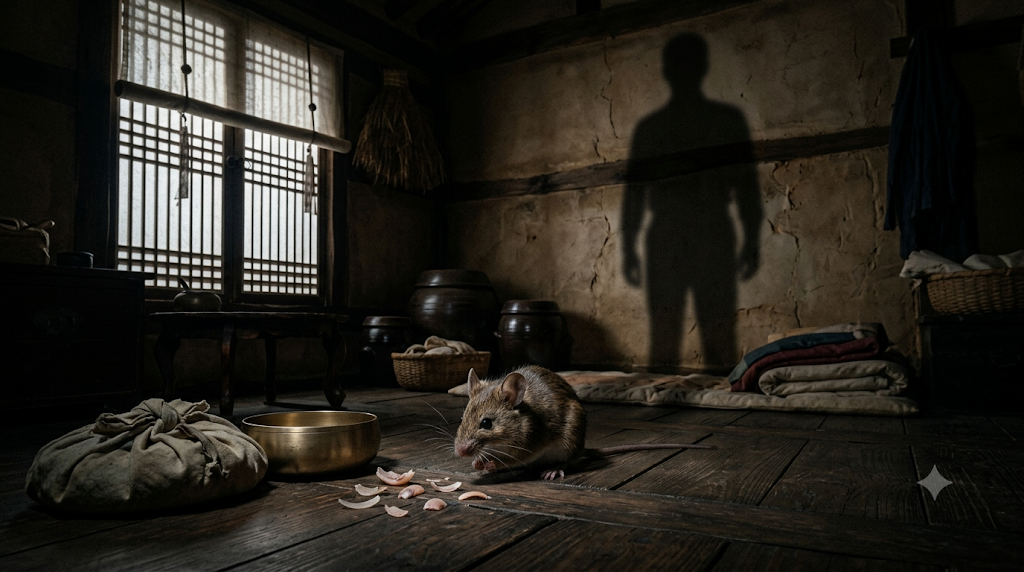
Imagine clipping your fingernails, throwing them away, and discovering that a rat has eaten them.
According to an old Korean folktale, what happens next is much worse.
The rat becomes you.
It takes your appearance, enters your home, and may even convince your family that it is the real you.
That unsettling idea is one of the inspirations behind Netflix’s Korean thriller Mousetrap (들쥐).
For international viewers, the premise may sound bizarre. But understanding the old story behind it reveals why Mousetrap is really about something much more disturbing:
What makes you “you” if everyone believes someone else is the real one?
Key Takeaway
Mousetrap draws inspiration from a traditional Korean folktale in which a rat eats a person’s discarded fingernails or toenails and transforms into their identical double.
The story also reflects older Korean warnings about leaving nail clippings carelessly around the house.
What Is the Korean Folktale Behind Mousetrap?
There are several versions of the tale, but the basic story is simple.
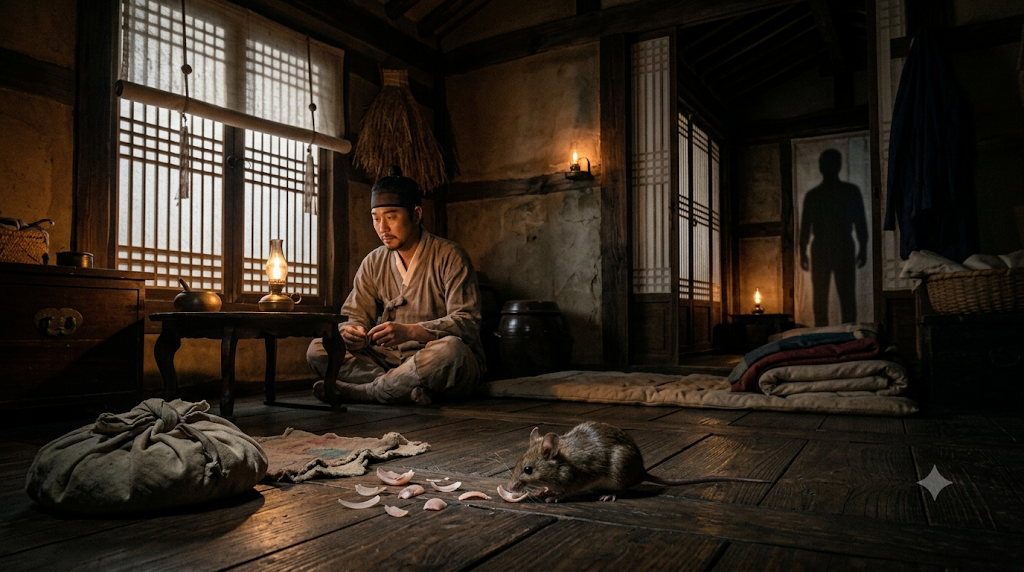
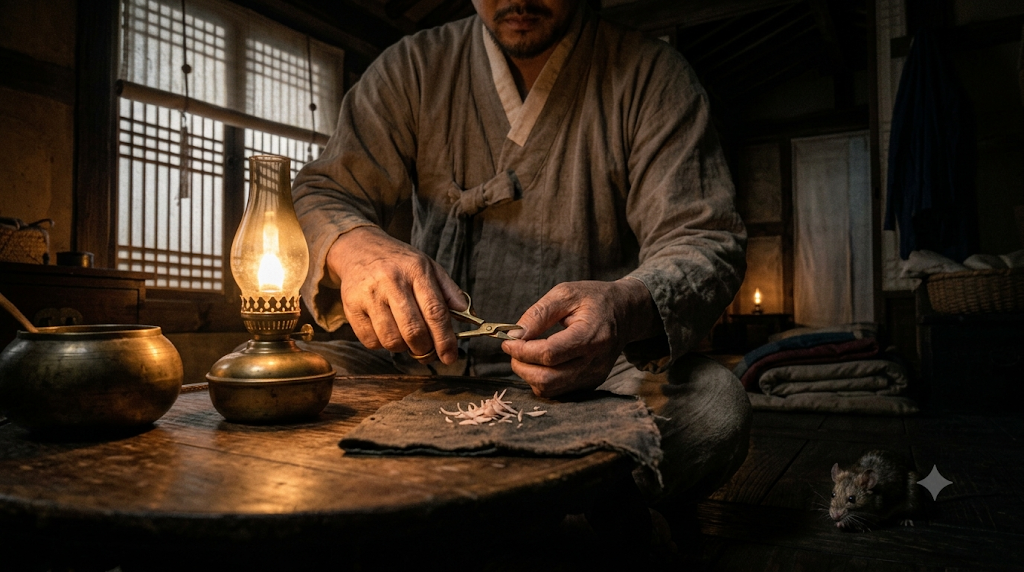
A person clips their fingernails or toenails and carelessly leaves them behind.
A rat finds the clippings and eats them.
Then something strange happens.
The rat transforms into a human who looks exactly like the person whose nails it ate.
The double returns to the person’s home and claims their identity.
The most frightening part is not the transformation itself.
It is that other people may believe the fake.
In some versions of the tale, even the original person’s family cannot distinguish between the human and the transformed rat.
Suddenly, the real person must prove that they are actually themselves.
Why Fingernails?
Why would eating someone’s fingernails allow a rat to become that person?
The idea makes more sense when viewed through older Korean attitudes toward the body.
Traditional Korean society was strongly influenced by Confucian ideas about respecting the body received from one’s parents.
Hair, nails, blood, and other physical traces of a person could therefore carry more symbolic meaning than ordinary household waste.
This does not mean Koreans believed every nail clipping contained supernatural powers.
Folklore is rarely that simple.
But within the story, the fingernail represents something that still belongs to you.
The rat is not merely eating garbage.
It is consuming a piece of your identity.
Why Were Children Told to Be Careful With Nail Clippings?
Like many folktales, the rat story probably worked especially well as a warning.
Imagine telling a child:
“Please dispose of your nail clippings properly because it is cleaner.”
Now compare that with:
“If you leave your fingernails on the floor, a rat might eat them and turn into you.”
Which warning would you remember?
Traditional stories often combine practical lessons with supernatural consequences.
A frightening story could encourage children to keep their surroundings clean and treat parts of the body carefully without requiring a complicated explanation.
The result is a warning memorable enough to survive generations.
What About Cutting Your Nails at Night?
There is another old Korean superstition connected with fingernails:
Don’t cut your nails at night.
One traditional explanation links the warning to rats finding and eating discarded nail clippings.
There may also have been a much more practical reason.
Before electric lighting, cutting fingernails after dark was simply more difficult and potentially unsafe.
This pattern appears frequently in traditional superstitions.
A practical rule becomes attached to a supernatural explanation because the supernatural version is much easier to remember.
Most Koreans today, of course, are not worried that clipping their nails at night will create an evil duplicate.
Curious about other beliefs like this? Discover 10 Korean superstitions you still see in K-Dramas, from writing names in red to lucky pig dreams and unlucky exam foods.
But the superstition remains part of Korean cultural memory.
How Mousetrap Turns an Old Folktale Into a Modern Fear
This is where Mousetrap becomes particularly interesting.
The traditional folktale asks:
What if something looked exactly like you?
The modern version asks something slightly different:
What if someone could prove they were you better than you could?
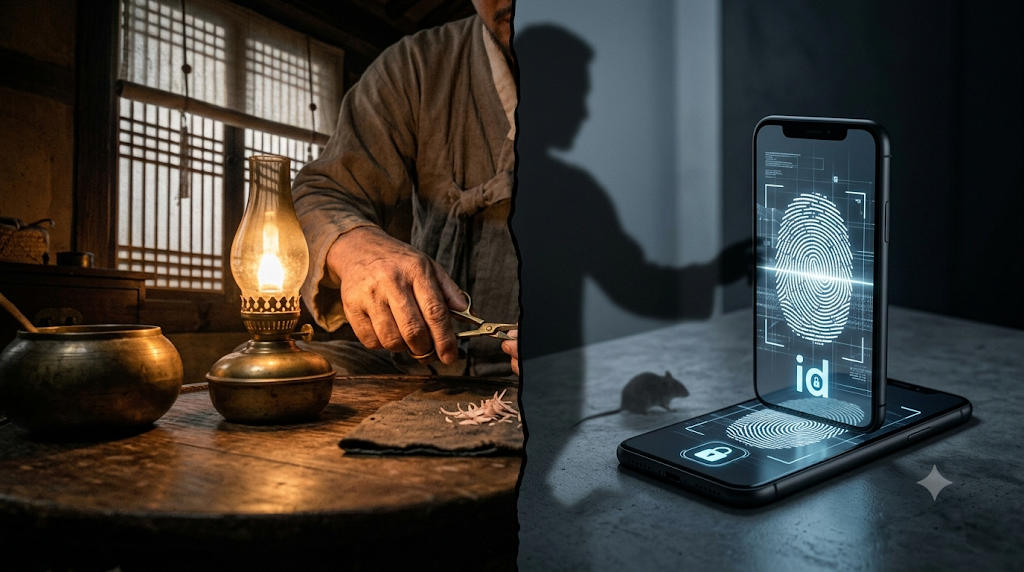
Today, identity is much more than a face.
It exists in smartphones, passwords, fingerprints, bank accounts, government records, online profiles, and countless databases.
In Mousetrap, Moon-jae begins losing access to the systems that confirm who he is.
His fingerprint fails.
His passwords stop working.
His money and personal identity appear to belong to someone else.
The ancient monster has essentially received a digital upgrade.
From a Rat Stealing Your Face to Someone Stealing Your Data
This is why a centuries-old Korean story can still feel surprisingly modern.
In the old tale, the rat steals your appearance.
In modern life, someone can steal your digital identity.
Either way, the nightmare is similar:
Everyone else believes the imposter.
Think about it.
What if your phone no longer recognized you?
Your bank account belonged to someone else?
Your personal records said another person was you?
You might know perfectly well who you are.
But how would you prove it?
That question connects the old Korean folktale directly to modern fears about identity theft.
Korean Folklore Hidden Inside K-Dramas
Mousetrap is also a good reminder that international viewers sometimes encounter Korean folklore without realizing it.
K-Dramas frequently borrow supernatural ideas that Korean audiences may already recognize.
You may have encountered:
Gumiho (구미호) — the famous nine-tailed fox capable of taking human form.
Dokkaebi (도깨비) — supernatural beings often translated as “goblins,” although the Korean concept is more complicated.
Jeoseung Saja (저승사자) — a supernatural figure associated with guiding the dead.
Mudang (무당) — a Korean shaman who communicates with spirits and performs traditional rituals.
And now you can add another strange creature to that list:
The rat that eats your fingernails and becomes you.
Once you know the cultural background, scenes that initially seem random can suddenly make much more sense.
So, Is Mousetrap Based on the Folktale?
Not directly.
Mousetrap is based on the webtoon Field Mouse, while its central premise draws inspiration from the traditional Korean story about a rat eating human nail clippings and transforming into that person.
The drama therefore isn’t simply retelling an old folktale.
It takes the fear at the center of the story and places it in modern society.
And that may be what makes the concept work so well.
The technology has changed.
The fear of losing your identity has not.
Frequently Asked Questions
What Korean folktale inspired Mousetrap?
The drama draws inspiration from a traditional Korean story in which a rat eats someone’s discarded fingernails or toenails and transforms into that person’s double.
Is the fingernail-eating rat a real Korean superstition?
It is part of Korean folklore and traditional superstition. That does not mean modern Koreans generally believe that rats can literally transform into humans.
Why shouldn’t Koreans cut their nails at night?
An old superstition warns against cutting nails at night, sometimes because a rat could eat the clippings. Practical concerns such as poor lighting in the past may also have contributed to the warning.
Is Mousetrap a supernatural K-Drama?
Mousetrap uses a supernatural Korean folktale as inspiration but turns the concept into a contemporary thriller about identity.
Final Thought
A rat eating fingernails and becoming human might sound like an unusually strange K-Drama premise.
But that strangeness is exactly where the cultural story begins.
Behind Mousetrap is an old Korean warning about something small you leave behind—and something else using it to take your place.
Centuries later, passwords, fingerprints, smartphones, and databases have replaced the old village household.
But the question remains remarkably similar:
If everyone believes the fake is real, how do you prove that you are you?