Korean Workplace Culture in K-Dramas: 5 Rules Viewers Must Know
In Korean workplace dramas, corporate tension rarely comes from performance reviews alone. Understanding Korean workplace culture in K-Dramas is essential because a silent, powerful layer of social etiquette governs every interaction.
A rookie gets reprimanded for pouring water with one hand. A talented employee hesitates when invited to speak casually. An entire department turns quiet because someone tried to leave dinner early.
To international viewers, these scenes may seem puzzling. In Korean storytelling, however, concepts like Sunbae, Hoobae, Kkondae, and Hoeshik carry high narrative stakes.
Key Takeaway for Viewers:
In K-Dramas, personal seniority often carries more weight than formal job titles. How characters address each other instantly reveals mentorship, rivalry, and hidden corporate tension.
1. Why Korean Workplace Culture in K-Dramas Starts with Sunbae and Hoobae
In Western shows, colleagues are generally divided into management and staff. Korean office stories introduce a vital third category: relational seniority. This foundational element of Korean workplace culture in K-Dramas shapes how teams interact daily.
- Sunbae (선배): A senior who entered the company, school, or industry before you.
- Hoobae (후배): A junior who joined after you.
According to linguistic standards from the National Institute of Korean Language, these relational terms carry clear social expectations. This dynamic functions as an unwritten mutual contract built on guidance and trust:
| Role | Cultural Tendency & Expectations | What You See on Screen |
|---|---|---|
| Sunbae (Senior) | • Provides career mentorship • Shields junior from bureaucratic blame • Often shares meals or coffee | Buying warm meals during late shifts; defending rookies in front of executives. |
| Hoobae (Junior) | • Shows deference and active support • Prepares meeting materials in advance • Uses polite honorific speech | Listening attentively; arriving early to set up meeting rooms. |
Case Study: Mentorship as Survival in Misaeng: Incomplete Life
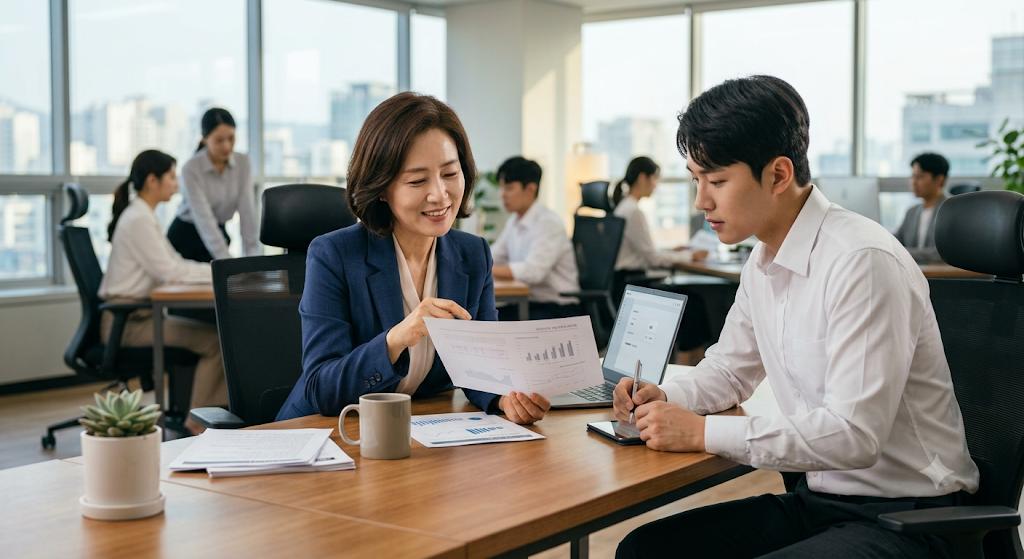
In the acclaimed corporate drama Misaeng: Incomplete Life, rookie intern Jang Geu-rae enters a high-stakes trading house without traditional credentials. His survival relies heavily on his direct senior team member, Assistant Manager Kim Dong-shik, illustrating how pivotal mentorship is within Korean workplace culture in K-Dramas.
- A Good Sunbae: Shields the rookie from unjust fallout and takes responsibility for team training.
- A Bad Sunbae: Appropriates junior achievements and deflects blame, immediately establishing them as a workplace villain.
2. “Who Outranks Whom?” — Decoding Corporate Titles on Screen
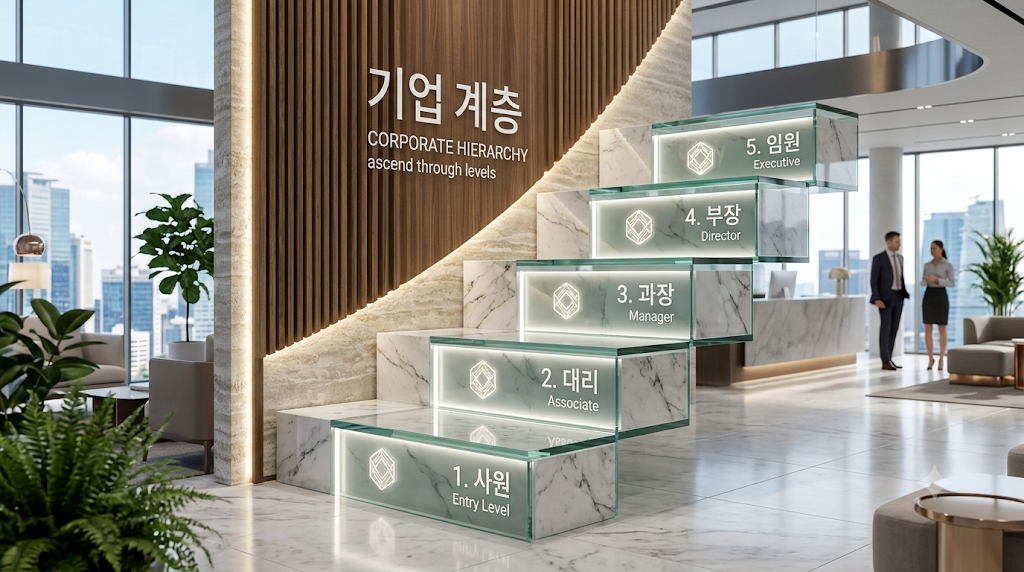
When characters address each other in conference rooms, they rarely use given names. Instead, they combine surnames with corporate ranks and the respectful suffix -nim (님), reflecting the strict hierarchy of Korean workplace culture in K-Dramas.
| Korean Title | Pronunciation | English Subtitle Reference | Typical K-Drama Narrative Role |
|---|---|---|---|
| 사원 | Sawon | Entry-Level Associate | The rookie learning office rules. |
| 대리 | Daeri | Assistant Manager | The frontline mentor caught between managers and rookies. |
| 과장 | Gwajang | Section Chief / Manager | The operational lead managing daily project execution. |
| 차장 | Chajang | Deputy General Manager | The strategist handling inter-departmental politics. |
| 부장 | Bujang | General Manager / Dept. Head | The authority figure deciding major promotions and project approvals. |
| 대표 / 이사 | Daepyo / Isa | CEO / Managing Director | The executive driving high-stakes corporate power plays. |
When Rank Clashes with Seniority: Agency and Search: WWW
Dramatic tension peaks when official rank does not match age or tenure:
- The Conflict: A younger prodigy is promoted to Team Leader (Teamjang-nim) over an older veteran.
- The Drama Cue: Directors linger on subtle facial expressions when an older subordinate must bow and use formal honorifics with a younger boss.
3. The Kkondae Factor in Korean Workplace Culture in K-Dramas
If you have watched an older department head force team members into long lectures about historical loyalty, you have met a Kkondae (꼰대).
Originally slang for strict elders, Kkondae now describes an authoritarian superior who demands unconditional deference, enforces outdated customs, and dismisses fresh ideas with “Back in my day…”
The Modern Drama Pushback: My Liberation Notes & Search: WWW
Contemporary K-Dramas actively critique this authoritarian side of Korean workplace culture in K-Dramas:
- My Liberation Notes: Captures daily corporate exhaustion, including social pressure to join mandatory office clubs.
- Search: WWW: Showcases modern tech workplace culture with flat communication styles, English nicknames, and merit-based leadership.
4. “Why Did They Look Away While Drinking?” — The Rules of the Hoeshik
The Hoeshik (회식), or company team dinner, is a vital setting where Korean workplace culture in K-Dramas moves from the office cubicle to the dinner table under strict social rules.

Key On-Screen Dining Cues:
- The Two-Handed Pour: Subordinates hold bottles and glasses with both hands (or support their right forearm) when pouring for seniors.
- Turning the Head: When taking a sip, juniors turn their head and upper body away, shielding their mouth with one hand.
- Table Setting: Junior colleagues set out wooden chopsticks on napkins and pour water before seniors sit down.
Note on Modern Trends: While traditional dramas feature intense evening drinking, modern Korean offices increasingly adopt lunch gatherings, non-alcoholic outings, and strictly voluntary attendance.
5. “Why Did the Room Freeze?” — Jondaetmal vs. Banmal
Language formality directly shapes emotional stakes in Korean scripts:
- Jondaetmal (존댓말): Polite, formal speech used with colleagues, clients, and superiors. (Explore our guide to Korean speech levels and honorifics).
- Banmal (반말): Informal, casual speech reserved for same-age friends, family, or younger peers by mutual agreement.
Viewer Tip:
When a boss drops from polite speech to casual Banmal, it can signal warmth—or intimidation. When secret office couples switch between formal speech in cubicles and casual speech in empty stairwells, language becomes an intimate storytelling device.
Conclusion: Decoding Korean Workplace Culture in K-Dramas
Korean workplace dramas resonate globally because their stakes are grounded in intricate human dynamics. Behind every carefully poured drink, respectful bow, and honorific title lies a delicate negotiation between hierarchy, ambition, and personal integrity.
By understanding Korean workplace culture in K-Dramas, international viewers can fully appreciate the nuanced character decisions and subtle power shifts that make these stories so compelling.
Frequently Asked Questions
Why do K-Drama characters call each other Sunbae instead of their formal job titles?
Sunbae emphasizes personal mentorship, shared alumni backgrounds, or cohort training, creating a closer, more supportive bond than administrative ranks.
Is calling a colleague a Kkondae considered an insult in Korea?
Yes. Kkondae is a pejorative term used behind someone’s back to describe rigid, self-important behavior.
Are after-work Hoeshik gatherings strictly mandatory in modern Korean workplaces?
Workplace culture has diversified. While traditional companies still hold formal evening dinners, many tech firms, startups, and younger teams have adopted lunch gatherings and optional events.